Dionaea muscipula 'Dumplings' – Winter Dormant - Venus Flytrap
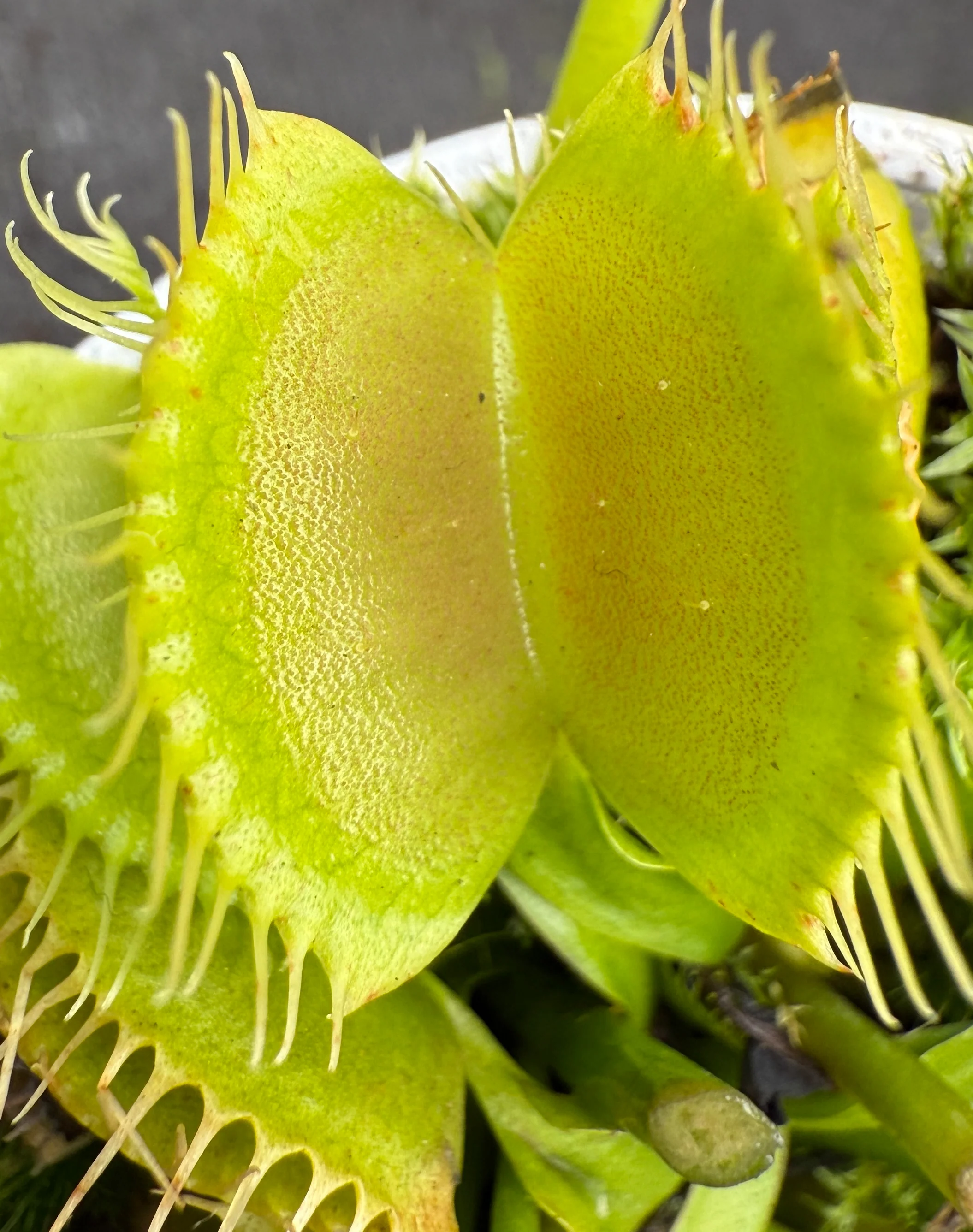
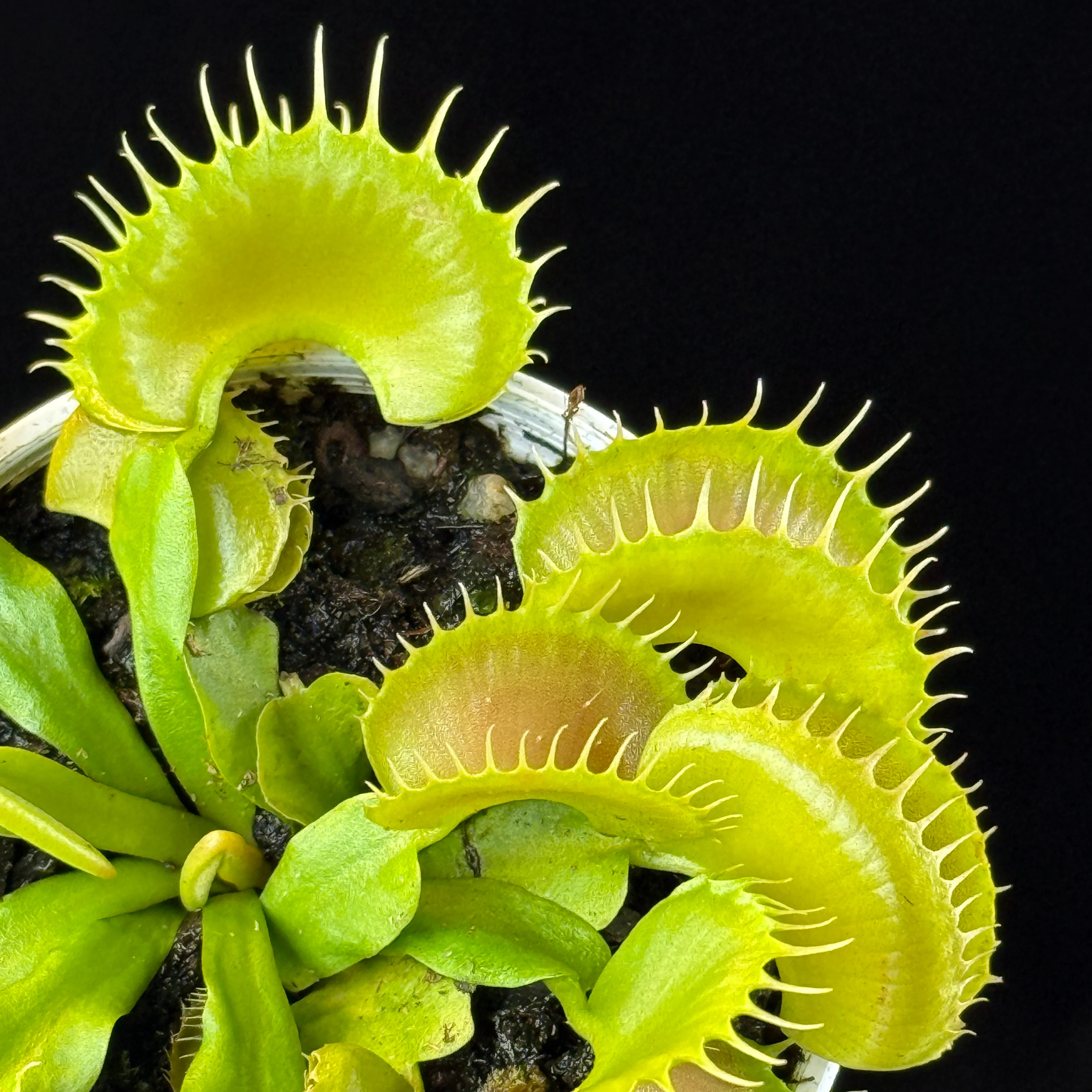
Dionaea muscipula ‘Dumplings’ is the most sought after of all VFT cultivars due to its amazing erratic teeth structure that give the plant a distinctive, sculptural appearance.
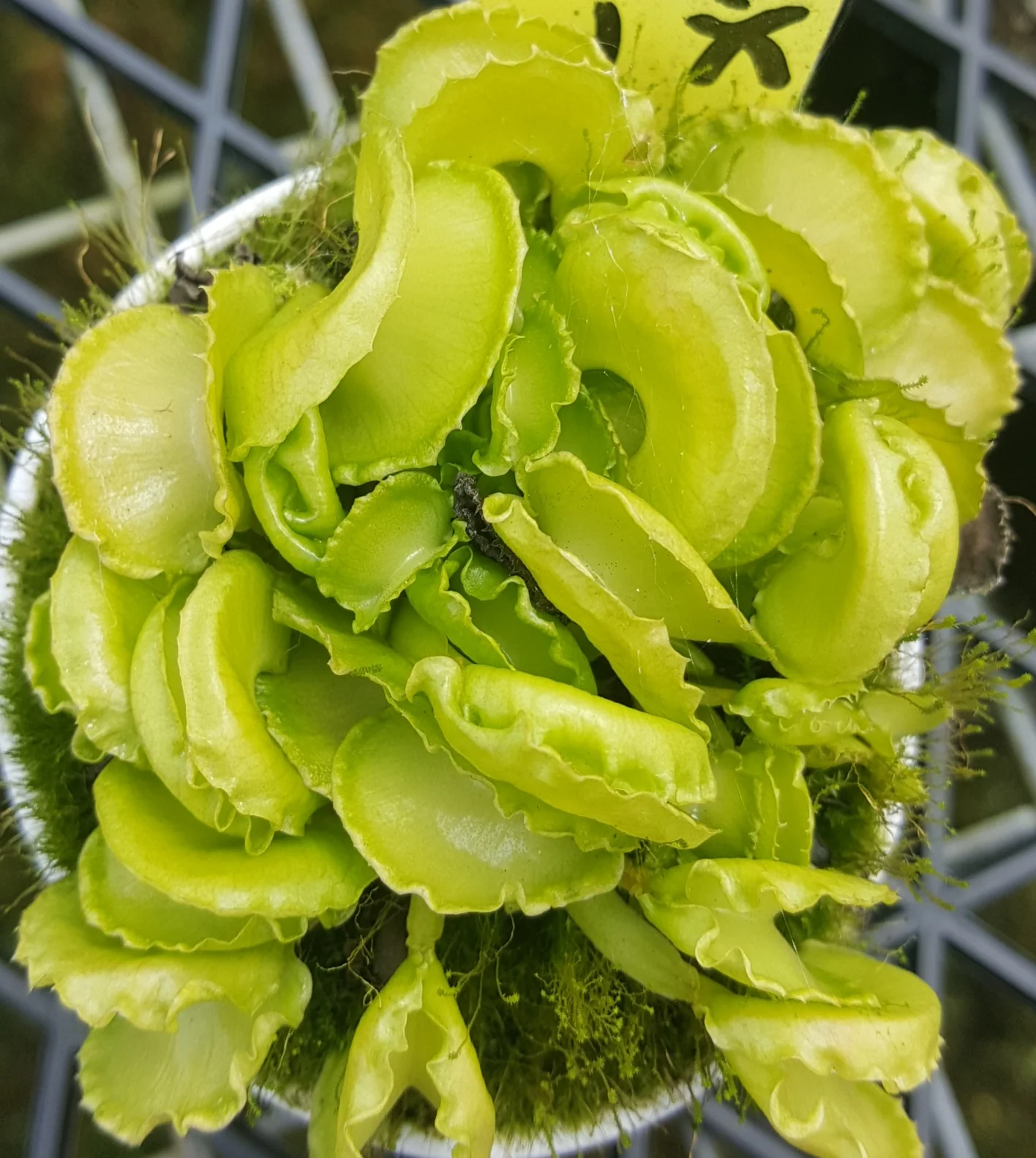
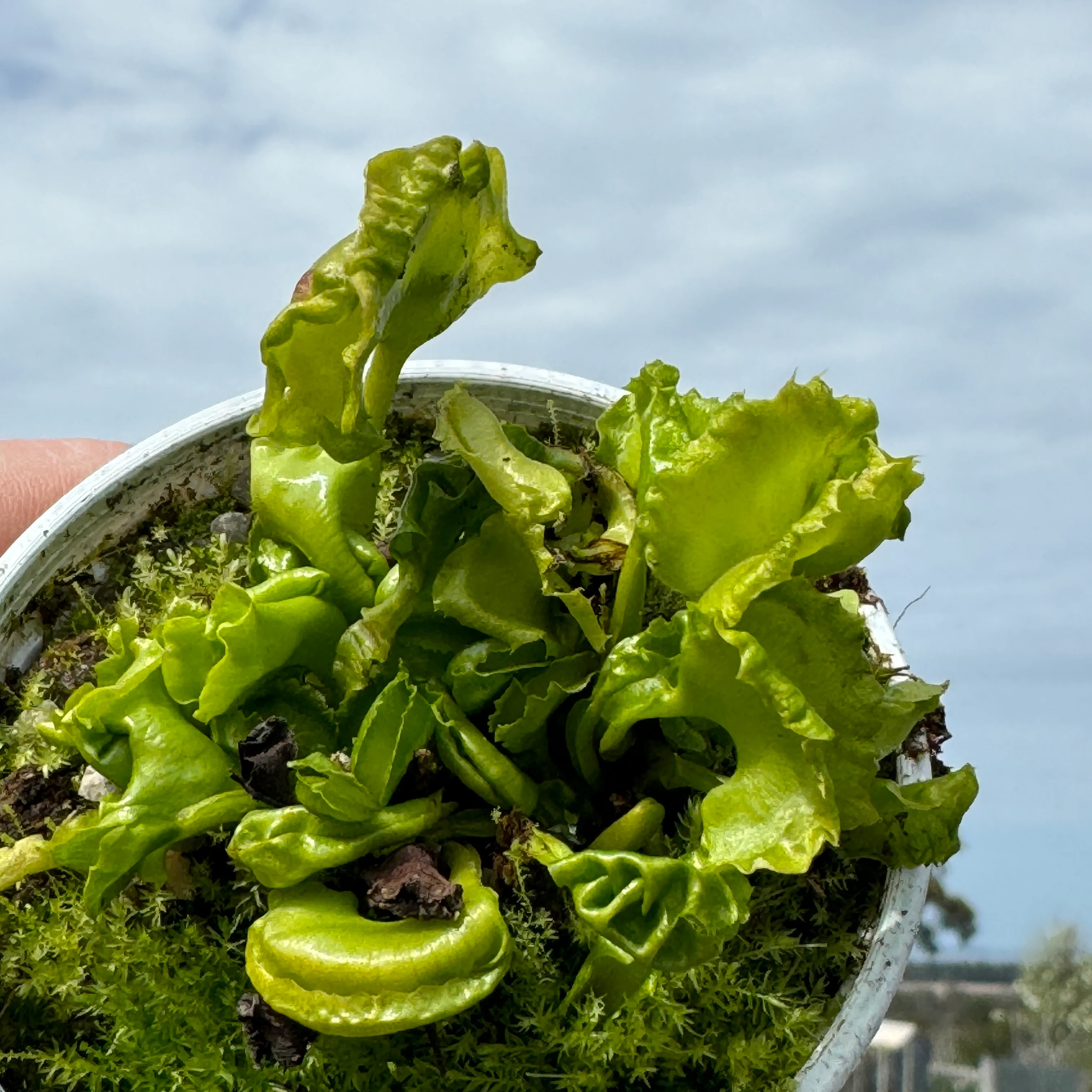
This clone typically produces small to medium traps that may appear swollen, cupped, or partially fused. Trap shape can vary significantly from one trap to the next, and not every trap will display the same degree of deformation.
Trap Form & Appearance
The characteristic “dumpling” shape is most noticeable during active growth, particularly in warmer conditions. Some traps may appear more normal at times, while others show pronounced rounding or irregular closure. This variation is normal for the clone and part of its appeal.
Colour Notes
While grown primarily for its distinctive trap form, ‘Dumplings’ can develop surprisingly rich red colouration. Under strong light, the trap interiors colour well during the growing season, and many plants develop particularly intense red pigmentation throughout winter, often making dormant plants more colourful than their summer counterparts.
Winter Dormancy
These plants are currently in their natural winter dormancy. During this period they may have fewer active traps, shorter leaves, and some older traps may blacken and die back. This is a normal and essential part of the Venus Flytrap's annual growth cycle. Each plant has a healthy rhizome and will resume vigorous growth as temperatures warm in spring.
Growth Notes
As with all Venus Flytraps, seasonal variation is expected. Trap size and shape can change throughout the year, and young plants may take time to fully express the clone’s distinctive traits.
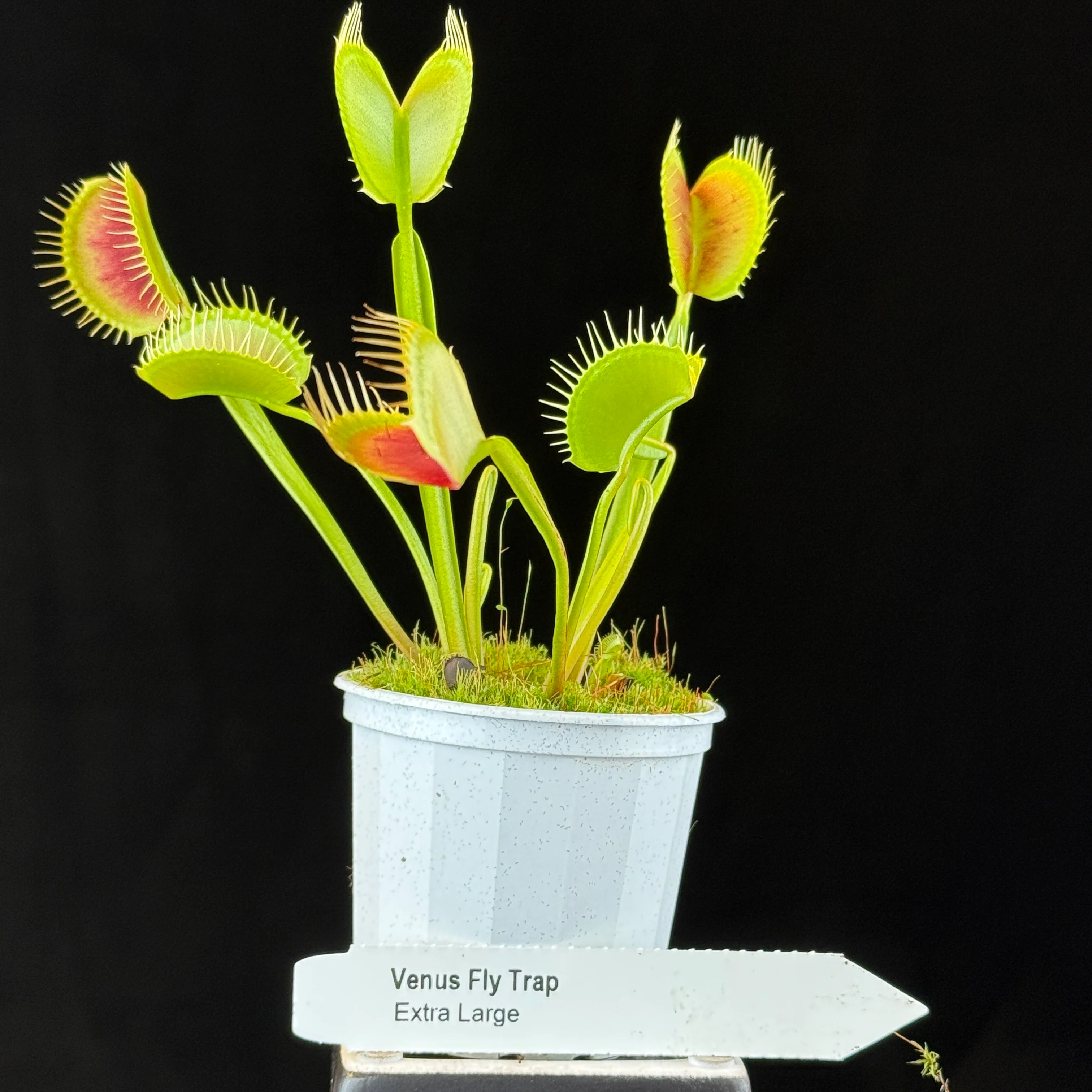
Please note: Images are representative of the clone type and not the exact plant supplied. Winter-grown plants may display fewer traps than during the peak growing season, but often exhibit much stronger red colouration.
Product Information
Product Information
Shipping & Returns
Shipping & Returns
Description
Dionaea muscipula ‘Dumplings’ is the most sought after of all VFT cultivars due to its amazing erratic teeth structure that give the plant a distinctive, sculptural appearance.
This clone typically produces small to medium traps that may appear swollen, cupped, or partially fused. Trap shape can vary significantly from one trap to the next, and not every trap will display the same degree of deformation.
Trap Form & Appearance
The characteristic “dumpling” shape is most noticeable during active growth, particularly in warmer conditions. Some traps may appear more normal at times, while others show pronounced rounding or irregular closure. This variation is normal for the clone and part of its appeal.
Colour Notes
While grown primarily for its distinctive trap form, ‘Dumplings’ can develop surprisingly rich red colouration. Under strong light, the trap interiors colour well during the growing season, and many plants develop particularly intense red pigmentation throughout winter, often making dormant plants more colourful than their summer counterparts.
Winter Dormancy
These plants are currently in their natural winter dormancy. During this period they may have fewer active traps, shorter leaves, and some older traps may blacken and die back. This is a normal and essential part of the Venus Flytrap's annual growth cycle. Each plant has a healthy rhizome and will resume vigorous growth as temperatures warm in spring.
Growth Notes
As with all Venus Flytraps, seasonal variation is expected. Trap size and shape can change throughout the year, and young plants may take time to fully express the clone’s distinctive traits.
Please note: Images are representative of the clone type and not the exact plant supplied. Winter-grown plants may display fewer traps than during the peak growing season, but often exhibit much stronger red colouration.